Let’s clear something up right away. You cannot manifest 5,000 embroidered jackets into existence. You cannot rush overseas freight with positive thinking. And you definitely cannot approve artwork three days before load-in and expect miracles.
At Star Gift Alliance, we love urgency. We thrive under pressure. We have built our reputation in live events and touring, where ASAP is a personality trait. But we also know this truth: every decision in a merchandise production timeline triggers a domino effect.
Let’s demystify what really goes into custom merch production so you can plan smarter, avoid panic, and respect the process without needing a degree in promotional product manufacturing.
Step 1: The Idea Phase
This feels quick. It is not. You say, ‘We need VIP gifts.’ We say, ‘Tell us everything.’
Before a single sample is ordered, we clarify:
- Audience
- Quantity
- Budget
- Distribution plan
- Event merch deadlines
- Decoration method
- Sustainability requirements
- Shipping locations
Every one of those answers shapes your swag lead times. If any of them shift later, the timeline shifts too.
Step 2: Sourcing and Feasibility
Once the idea is locked, we source intentionally. This is where experience matters. We are not just browsing catalogs. We are assessing:
- Inventory availability
- Factory capacity
- Decoration compatibility
- Domestic versus overseas production
- Compliance and safety standards
Promotional product manufacturing has real-world constraints. Factories have production queues. Blanks sell out. Ports get congested. Embroidery machines can only run so many units per day. The earlier we start, the more options you have. The later we start, the more creative we have to get.
Step 3: Artwork and Approvals
Design is not just about aesthetics. It is about technical execution. In custom merch production, artwork must be:
- Sized correctly
- Color-matched
- Vectorized when required
- Adjusted for imprint method
- Approved in writing
One delayed approval can cost days. A logo change after proof signoff can reset decoration scheduling entirely. This is the domino effect in action.
Step 4: Sampling and Pre-Production
Sometimes you need a pre-production sample. Sometimes you do not. But when you do, it adds time. Why? Because that sample:
- Enters the factory queue
- Gets produced
- Ships to you
- Gets reviewed
- Possibly gets revised
This step protects quality. It also adds days or weeks to your merchandise production timeline depending on origin.
Step 5: Production
Now the real clock starts. Lead times vary based on:
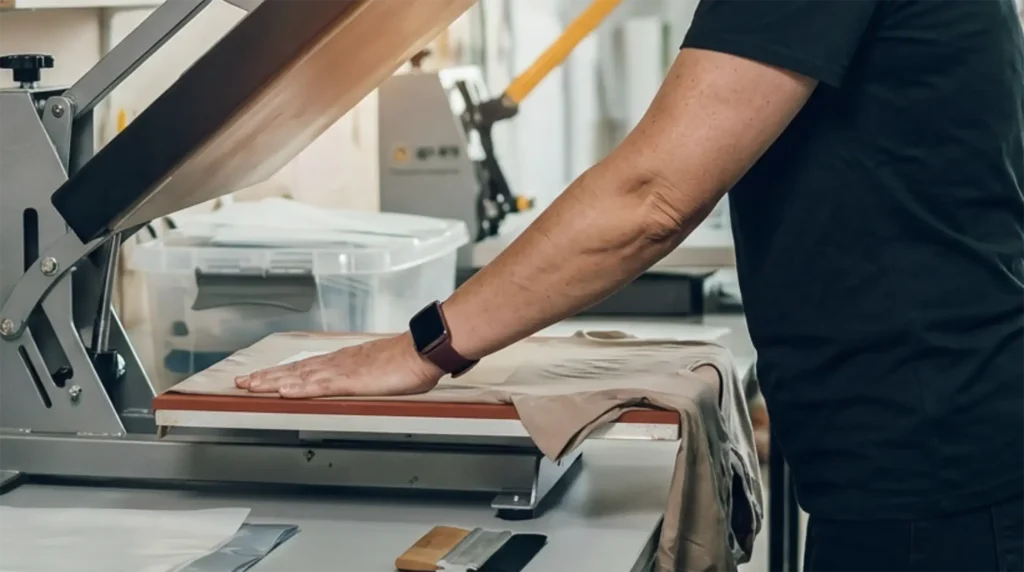
- Decoration type, embroidery versus screen print versus heat transfer
- Order size
- Factory workload
- Seasonality
Yes, seasonality matters. Holiday rush…pre-festival season…conference season…you guessed it, packed. Promotional product manufacturing is an ecosystem. When one client approves late, the entire line shifts. We build buffers where we can. But physics still applies.
Step 6: Shipping and Freight
This is the step most people underestimate. Shipping includes:
- Transit time
- Customs clearance for international orders
- Weather disruptions
- Warehouse processing
- Final mile delivery
Air freight is faster but expensive. Ocean freight is economical but slower. Ground freight depends on distance and routing. If your event merch deadlines are immovable, we reverse engineer everything from the in-hands date backward. That date is sacred.
Step 7: Distribution and On-Site Reality
Are we shipping to a warehouse? Multiple tour stops? A convention center with strict dock hours? A hotel with receiving limits? Every venue has rules. Every tour has moving parts. Every VIP experience has timing windows. Decisions made early in planning protect you later onsite.
And trust us, you want to be calm onsite.
The Real Talk Version
We will always hustle for you. We will explore backup vendors. We will upgrade freight when needed. We will find creative solutions under pressure. But the strongest merchandise production timeline is the one that starts early and respects the process. If you have event merch deadlines on the horizon, let’s map them backward together.